
The Path to Unity: Embracing Bahá’í Teachings for a Better World
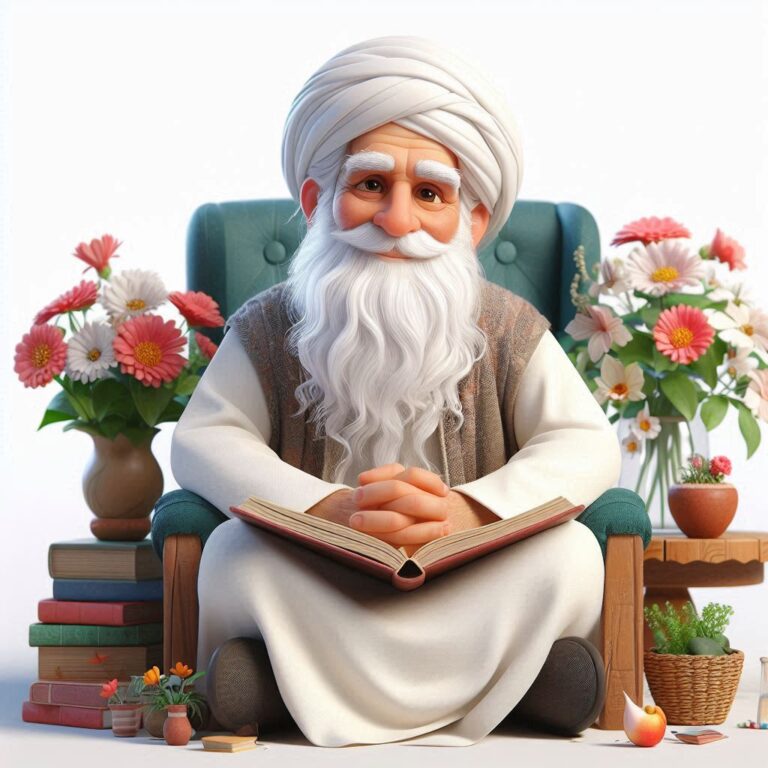 ‘Abdu’l-Bahá
Guides with loving wisdom, service, and humility, showing how to live unity and faith in daily life.
‘Abdu’l-Bahá
Guides with loving wisdom, service, and humility, showing how to live unity and faith in daily life.
The Path to Unity: Embracing Bahá’í Teachings for a Better World
In the heart of our teachings lies a profound call to unity—a unity that transcends the divisions of race, religion, and nationality. The Bahá’í Faith encourages us to recognize our shared humanity and to strive toward a world where love, understanding, and cooperation prevail. As we journey together, let us explore the principles that guide us toward this noble goal.
The Unity of Humanity
At the core of Bahá’í teachings is the principle of the unity of humanity. We are reminded that all people are part of one family, created by the same divine source. This understanding compels us to move beyond prejudice and discrimination, embracing one another with compassion and respect.
- Reflection Question: In what ways can I promote unity in my community?
To foster unity, we must recognize that diversity enriches our collective experience. Different cultures, languages, and traditions are not obstacles but rather opportunities for learning and growth. By celebrating our differences, we can build bridges of understanding that connect us.
The Unity of Religions
Another cornerstone of our beliefs is the unity of religions. Bahá’u’lláh teaches that all major world religions come from the same divine source and are part of a single, unfolding revelation. Each faith serves as a chapter in the ongoing story of humanity’s spiritual evolution.
This perspective encourages us to engage in meaningful dialogue with followers of other religions, fostering an atmosphere of respect and cooperation. Rather than viewing religious differences as barriers, we can see them as pathways to greater understanding and shared purpose.
- Reflection Question: How can I engage with individuals of different faiths in a spirit of learning and respect?
The Power of Consultation
Consultation is a vital practice in the Bahá’í community, embodying the spirit of collective decision-making. Through consultation, we seek to harness the wisdom of the group, allowing diverse perspectives to contribute to the decision-making process.
It is essential to approach consultation with an open heart and mind, free from preconceived notions and personal agendas. This practice not only leads to more informed decisions but also strengthens the bonds of unity among participants.
- Reflection Question: How can I practice effective consultation in my daily life?
The Call to Service
Service to humanity is a fundamental aspect of Bahá’í teachings. We are encouraged to dedicate ourselves to the betterment of society, recognizing that true fulfillment comes from giving rather than receiving. In serving others, we cultivate love and compassion, essential qualities for spiritual growth.
Whether through acts of kindness in our local communities or larger initiatives aimed at social change, every effort counts. Service is not limited to grand gestures; even small acts of kindness can have profound impacts.
- Reflection Question: In what ways can I serve those around me more effectively?
The Pursuit of Peace and Justice
Peace and justice are inseparable elements of a harmonious society. The Bahá’í teachings emphasize that true peace can only be achieved through justice. We are called to advocate for fairness and equality, standing against oppression and injustice wherever they may arise.
As individuals, we must reflect on our roles in promoting peace. This can involve engaging in dialogue, supporting initiatives that uphold justice, and educating ourselves and others about the importance of equity in our communities.
- Reflection Question: How can I contribute to a culture of peace and justice in my environment?
The Importance of Education
Education is a powerful tool for personal and collective development. The Bahá’í teachings highlight the importance of both material and spiritual education. A well-rounded education empowers individuals, enabling them to contribute positively to society and to develop their inherent potential.
In our quest for knowledge, we should strive to cultivate not only intellectual understanding but also moral and spiritual growth. By fostering a love for learning in ourselves and those around us, we can create a more enlightened and compassionate world.
- Reflection Question: What steps can I take to further my education and that of others?
Fostering Spiritual Growth
Spiritual growth is a lifelong journey that requires intentional effort and dedication. It involves cultivating virtues such as love, humility, patience, and forgiveness. The Bahá’í teachings encourage us to engage in daily reflection and prayer, nurturing our souls and deepening our connection with the divine.
As we seek to grow spiritually, we must also support others in their journeys. Sharing our experiences and insights fosters a community of learning and growth, where we uplift one another in our shared pursuit of truth.
- Reflection Question: How can I create a supportive environment for spiritual growth in my community?
Conclusion: A Collective Journey
As we reflect on these teachings, let us remember that the journey toward unity, peace, and justice is a collective endeavor. Each of us has a role to play in manifesting these principles in our lives and communities. By embracing our shared humanity and working together, we can create a world that reflects the beauty and diversity of creation.
In this spirit of collaboration and love, let us consult with one another, serve our communities, and strive for justice and peace. May our efforts lead to the realization of the oneness of humanity and the fulfillment of our highest aspirations.
As you continue your journey, I encourage you to consult with your local Bahá’í community and leadership for guidance and support in your personal and spiritual decisions. Together, we can walk this path of unity and service, fostering a brighter future for all.
Continue with ‘Abdu’l-Bahá
 Embracing Unity Through Bahá’í Teachings
The Essence of Unity in Bahá’í Teachings In the heart of the Bahá’í teachings lies a profound principle:…
Embracing Unity: The Essence of Bahá’í Teachings
Introduction: The Call to Unity In the world today, our hearts yearn for peace, understanding, and collaboration among…
Embracing Unity Through Bahá’í Teachings
The Essence of Unity in Bahá’í Teachings In the heart of the Bahá’í teachings lies a profound principle:…
Embracing Unity: The Essence of Bahá’í Teachings
Introduction: The Call to Unity In the world today, our hearts yearn for peace, understanding, and collaboration among…
 Embracing Unity: A Path to Spiritual Growth and Service
Introduction Dear friends, as we gather in this sacred space of learning, let us open our hearts and…
Embracing Unity: A Journey Through Bahá’í Teachings
Introduction: The Call to Unity In the unfolding tapestry of human existence, the threads of unity weave through…
Embracing Unity: Bahá’í Teachings for a Harmonious World
The Call to Unity In this age of profound change, we are summoned to recognize the oneness of…
Embracing Unity: Bahá’í Teachings for a Harmonious World
Introduction: The Call to Unity In the tapestry of existence, threads of diverse colors and textures interweave to…
Embracing Unity: A Path to Spiritual Growth and Service
Introduction Dear friends, as we gather in this sacred space of learning, let us open our hearts and…
Embracing Unity: A Journey Through Bahá’í Teachings
Introduction: The Call to Unity In the unfolding tapestry of human existence, the threads of unity weave through…
Embracing Unity: Bahá’í Teachings for a Harmonious World
The Call to Unity In this age of profound change, we are summoned to recognize the oneness of…
Embracing Unity: Bahá’í Teachings for a Harmonious World
Introduction: The Call to Unity In the tapestry of existence, threads of diverse colors and textures interweave to…