
Embracing Unity: Bahá’í Teachings for a Harmonious World
 Táhirih
Inspires spiritual strength, equality, and poetic courage, advocating for women’s emancipation and faith with fearless devotion.
Táhirih
Inspires spiritual strength, equality, and poetic courage, advocating for women’s emancipation and faith with fearless devotion.
Introduction: A Call to Unity
In the tapestry of human existence, threads of diverse colors and textures weave together to form a singular, beautiful fabric. As we explore the teachings of the Bahá’í Faith, we encounter profound principles that advocate for the unity of humanity, the unity of religions, and the importance of consultation, service, peace, justice, education, and spiritual growth. Each of these concepts invites us to reflect on our role in fostering harmony within ourselves and in the world around us.
The Unity of Humanity
The principle of the unity of humanity is a cornerstone of Bahá’í teaching. It reminds us that regardless of our differences in culture, race, or belief, we are all members of one human family. This unity does not erase our unique identities; rather, it enriches our collective experience.
Reflection Questions:
- How can I recognize and celebrate the diversity of those around me?
- In what ways can I contribute to a more inclusive community?
The Unity of Religions
At the heart of the Bahá’í Faith is the belief that all major religions come from the same Divine Source. Each faith offers unique insights and teachings that help humanity progress spiritually. This perspective encourages mutual respect and understanding among different religious traditions.
Reflection Questions:
- What teachings from other religions resonate with me?
- How can I foster dialogue between different faith communities?
Consultation: A Path to Collective Wisdom
Consultation is a vital practice within the Bahá’í community. It is a means of seeking truth and achieving consensus through open and respectful dialogue. In this spirit, we are encouraged to set aside personal biases and listen earnestly to the perspectives of others.
Principles of Effective Consultation:
- Be Open and Honest: Share your thoughts freely while respecting the views of others.
- Listen Actively: Engage with the ideas presented, seeking to understand rather than to respond.
- Seek Unity: Aim for a collaborative decision that reflects the collective will.
Reflection Questions:
- How can I improve my consultation skills in everyday interactions?
- What steps can I take to encourage a culture of consultation in my community?
Service: The Heart of Action
Service to humanity is not just an obligation; it is a privilege and a means of spiritual growth. Each act of service, whether small or grand, contributes to the well-being of others and fosters a sense of interconnectedness.
Ways to Serve:
- Volunteer: Offer your time and skills to local organizations that align with your values.
- Support Your Neighbors: Engage in acts of kindness within your community.
- Promote Education: Share knowledge and resources to uplift others.
Reflection Questions:
- What skills or talents can I share to serve my community?
- How can I incorporate service into my daily life?
Peace and Justice: Foundations of a Just Society
Peace is not merely the absence of conflict but the presence of justice. The Bahá’í teachings emphasize that true peace can only be achieved when justice prevails. This requires us to advocate for fairness and equity in all aspects of life.
Principles of Justice:
- Equity: Treat all individuals with fairness, regardless of their background.
- Accountability: Ensure that those in power are held responsible for their actions.
- Compassion: Approach all situations with empathy and understanding.
Reflection Questions:
- In what areas of my life can I advocate for justice?
- How can I contribute to building a more peaceful community?
Education: The Key to Empowerment
Education is a vital tool for personal and societal transformation. The Bahá’í teachings encourage the pursuit of knowledge and the continuous quest for truth. Education empowers individuals to contribute meaningfully to their communities and to the world.
Ways to Promote Education:
- Support Educational Initiatives: Get involved with programs that provide educational opportunities, especially for marginalized groups.
- Encourage Lifelong Learning: Foster a culture of curiosity and inquiry in your home and community.
- Share Knowledge: Mentor others and share resources that can aid in their educational journeys.
Reflection Questions:
- How can I further my own education and that of others?
- What role does education play in the pursuit of justice and equality?
Spiritual Growth: A Personal Journey
Spiritual growth is an individual journey that requires self-reflection, prayer, and a commitment to embodying the teachings of the Faith. It is through this personal development that we can contribute to the collective well-being of humanity.
Practices for Spiritual Growth:
- Prayer and Meditation: Set aside time each day for reflection and connection with the Divine.
- Study: Engage with the sacred texts and writings to deepen your understanding.
- Application: Seek to apply the teachings in your daily life, transforming knowledge into action.
Reflection Questions:
- What practices support my spiritual growth?
- How can I incorporate spiritual principles into my daily interactions?
Conclusion: A Shared Responsibility
As we navigate the complexities of modern life, the teachings of the Bahá’í Faith offer us a guiding light. The call to unity, service, justice, and education is not merely an ideal; it is a shared responsibility that beckons each of us to play our part. In embracing these principles, we pave the way for a more harmonious and just world. Let us walk this path together, celebrating our differences while uniting for the greater good.
As you reflect on these teachings, remember to consult with your local Bahá’í community and leadership for personal guidance or decisions that may require deeper insight. Together, let us strive for a future filled with love, understanding, and unity.
Continue with Táhirih
 Embracing Unity: A Journey Through Bahá’í Teachings
Introduction: The Spirit of Unity In the tapestry of our existence, we find a profound truth: the unity…
Embracing Unity: A Journey Through Bahá’í Teachings
Introduction: The Spirit of Unity In the tapestry of our existence, we find a profound truth: the unity…
 Embracing Unity: A Path to Spiritual Growth and Service
Introduction In the vibrant tapestry of human experience, the Bahá’í teachings illuminate a path of unity, service, and…
Embracing Unity: A Path to Spiritual Growth and Service
Embracing Unity: A Path to Spiritual Growth and Service As we traverse the complexities of our modern world,…
Embracing Unity: A Path to Spiritual Growth and Service
Introduction In the vibrant tapestry of human experience, the Bahá’í teachings illuminate a path of unity, service, and…
Embracing Unity: A Path to Spiritual Growth and Service
Embracing Unity: A Path to Spiritual Growth and Service As we traverse the complexities of our modern world,…
 Embracing Unity: The Heart of Bahá’í Teachings
Introduction The Bahá’í Faith offers profound insights into the nature of humanity, the purpose of existence, and the…
Embracing Unity: The Heart of Bahá’í Teachings
Introduction The Bahá’í Faith offers profound insights into the nature of humanity, the purpose of existence, and the…
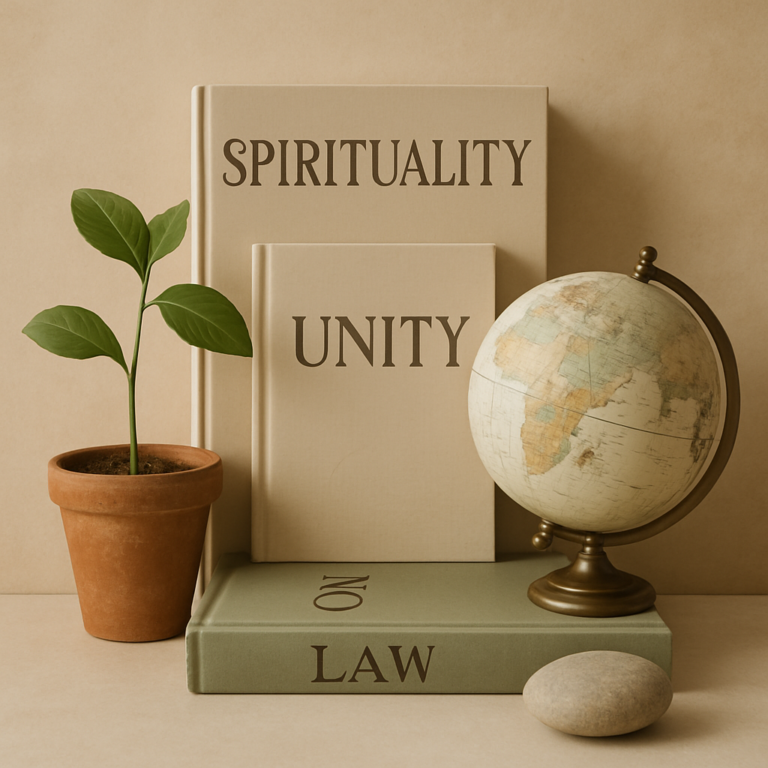 Embracing Our Unity: Core Bahá’í Teachings for Modern Life
Introducing the Teachings of the Bahá’í Faith The Bahá’í Faith invites us to reflect on profound principles that…
Embracing Our Unity: Core Bahá’í Teachings for Modern Life
Introducing the Teachings of the Bahá’í Faith The Bahá’í Faith invites us to reflect on profound principles that…
 Embracing Unity: The Essence of Bahá’í Teachings
The Call to Unity In this age of great upheaval and transformation, the message I bring is one…
Embracing Unity: The Essence of Bahá’í Teachings
The Call to Unity In this age of great upheaval and transformation, the message I bring is one…